

VIRSSON
Built-In Wardrobes: A Seamless Addition to Your Home
Feb 16,2026
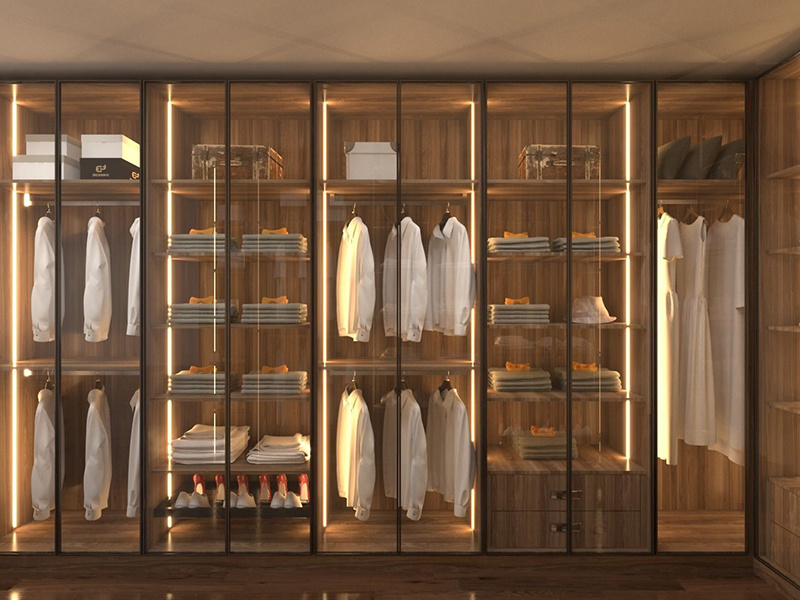
Built-In Wardrobes: A Seamless Addition to Your Home
Table of Contents
- What Are Built-In Wardrobes?
- Benefits of Built-In Wardrobes
- Design Ideas for Built-In Wardrobes
- Materials and Finishes for Built-In Wardrobes
- How to Choose the Right Built-In Wardrobe
- Installation Process of Built-In Wardrobes
- Maintenance and Care for Built-In Wardrobes
- Frequently Asked Questions
What Are Built-In Wardrobes?
Built-in wardrobes are custom-made storage solutions that are fitted into the structure of a room, typically designed to maximize space and provide a seamless look. Unlike freestanding wardrobes, built-in options are designed to blend with the architecture of your home. They can be tailored to fit an entire wall or specific alcoves, making them a versatile solution for various room sizes and layouts.
The Evolution of Built-In Wardrobes
Historically, wardrobes were standalone furniture pieces that took up considerable space. Over time, the need for more efficient and aesthetically pleasing storage solutions led to the rise of built-in wardrobes. Today, they are a popular choice for modern homes, often featuring innovative designs that cater to contemporary lifestyle needs.
Benefits of Built-In Wardrobes
Incorporating built-in wardrobes into your home offers numerous advantages, including:
1. Maximum Space Utilization
Built-in wardrobes make the most of every inch of available space, allowing homeowners to maximize storage without compromising on floor space. This is especially beneficial in smaller rooms where every square foot counts.
2. Enhanced Aesthetics
These wardrobes can be designed to match the interior style of your home, creating a cohesive look. With a variety of finishes and styles available, they can seamlessly integrate into any room.
3. Increased Home Value
Well-designed built-in wardrobes can add significant value to your property. Potential buyers often look for homes with customized storage solutions, making your home more appealing on the market.
4. Customization Options
Built-in wardrobes can be tailored to your specific needs. You can customize everything from the layout and shelving to the finishes and hardware, ensuring that your wardrobe fits your lifestyle perfectly.
5. Enhanced Organization
With tailored compartments and shelves, built-in wardrobes enhance organization, making it easier to access and manage your belongings. This can lead to a more organized and clutter-free living space.
Design Ideas for Built-In Wardrobes
The design of your built-in wardrobe can greatly influence the overall ambiance of your room. Here are some creative ideas to consider:
1. Sliding Door Wardrobes
Sliding doors save space and can be designed with mirrored surfaces to create an illusion of a larger room. This design is perfect for modern interiors and can enhance the natural light in the space.
2. Open Shelving Concepts
Open shelving provides a contemporary look and allows easy access to your belongings. It’s ideal for showcasing accessories and personal items while keeping the space visually light.
3. Integrated Lighting
Incorporating LED lighting within your wardrobe not only adds a touch of luxury but also makes it easier to find items in low-light conditions. Lighting can be installed in shelves, hanging areas, or even in the wardrobe's exterior.
4. Multi-Functional Wardrobes
Consider designing a wardrobe that serves multiple purposes. For instance, integrating a dressing area within the wardrobe can maximize functionality, allowing you to get ready for the day in one place.
5. Color and Texture Variations
Play with colors and textures to make your built-in wardrobe a standout feature. Using contrasting finishes or textures can create visual interest and enhance the overall design of the room.
Materials and Finishes for Built-In Wardrobes
The choice of materials and finishes is crucial for achieving the desired look and durability of your built-in wardrobe. Here are some popular options:
1. Wood
Wood remains a classic choice for wardrobes, offering warmth and character. Solid wood provides durability, while engineered wood can be more cost-effective and resistant to warping.
2. Laminates
Laminates are versatile and available in various colors and finishes. They are easy to clean and maintain, making them a practical choice for busy households.
3. Glass
Glass-fronted wardrobes can create an illusion of space and add elegance to your room. Frosted or tinted glass can offer privacy while still keeping the design light and open.
4. Metal
Metal finishes can add a contemporary edge and are often used in modern design schemes. They are durable and can be combined with other materials for a striking contrast.
5. Textured Finishes
Incorporating textured finishes, such as brushed metal or textured laminates, can create a unique look that adds depth and interest to your wardrobe design.
How to Choose the Right Built-In Wardrobe
Selecting the perfect built-in wardrobe involves considering several factors:
1. Assess Your Space
Before choosing a design, evaluate the available space in your room. Take measurements and consider the layout to determine the best wardrobe configuration.
2. Define Your Needs
Identify what items you need to store and how you want to organize them. This will help you determine the shelving, hanging space, and drawer configurations required for your wardrobe.
3. Decide on a Style
Choose a style that complements your home’s decor. Whether you're going for a modern, minimalist look or a more traditional style, ensure that your wardrobe design fits seamlessly into your existing interior.
4. Set a Budget
Determine your budget early in the process. Built-in wardrobes can vary significantly in cost depending on materials, design complexity, and installation. Having a budget in mind will help you make informed decisions without overspending.
5. Consult Professionals
If you're unsure about the design or installation process, consulting with a professional can provide valuable insights. Experts can help you create a functional and aesthetically pleasing wardrobe that meets your needs.
Installation Process of Built-In Wardrobes
Installing a built-in wardrobe is a meticulous process that often requires professional assistance. Here’s a general overview of the installation steps:
1. Preparation and Planning
Once the design is finalized, the next step involves preparing the installation site. This includes clearing the area, ensuring that the walls are properly prepared, and making any necessary adjustments to accommodate the wardrobe.
2. Frame Construction
The frame of the wardrobe is constructed to fit the specified dimensions. This frame serves as the base for the shelves, drawers, and hanging areas.
3. Installing Shelves and Drawers
After the frame is in place, shelves and drawers are added according to the design plan. It's essential to ensure that these components are securely installed for durability and functionality.
4. Adding Doors and Finishes
The final step involves installing the wardrobe doors, which can be sliding or hinged based on your design choice. Finishing touches, such as handles and decorative elements, are added to complete the look.
Maintenance and Care for Built-In Wardrobes
Proper maintenance will ensure that your built-in wardrobes remain in excellent condition for years to come. Here are some tips:
1. Regular Cleaning
Dust and debris can accumulate, so it's important to clean your wardrobe regularly. Use a soft cloth and mild cleaning solution to avoid damaging the finishes.
2. Check for Damage
Periodically inspect your wardrobe for any signs of damage, such as warping or loose hardware. Addressing these issues early can prevent more significant problems down the line.
3. Organize Regularly
Keep your wardrobe organized to maintain functionality. Regularly assess the items stored within and remove anything that is no longer needed to maximize space and accessibility.
4. Avoid Overloading
Be mindful of weight limits on shelves and hanging areas. Overloading can cause damage and affect the structural integrity of your wardrobe.
5. Use Proper Storage Solutions
Utilize storage bins or organizers to keep smaller items tidy. This will not only enhance organization but also make it easier to find what you need quickly.
Frequently Asked Questions
1. How much does a built-in wardrobe typically cost?
The cost of a built-in wardrobe can vary widely based on materials, design, and customization options. On average, homeowners can expect to spend anywhere from $1,500 to $5,000 or more.
2. Can I install a built-in wardrobe myself?
While some homeowners may choose a DIY approach, it’s recommended to hire professionals to ensure proper installation, especially for complex designs.
3. What is the average lead time for a built-in wardrobe?
The lead time for a built-in wardrobe varies based on design complexity and the contractor's schedule. Generally, it can take anywhere from a few weeks to several months from design to installation.
4. Can built-in wardrobes be moved if I renovate?
Built-in wardrobes are designed to be permanent fixtures. While they can be disassembled and moved, this process can be complicated and may result in damage.
5. What styles of built-in wardrobes are available?
There are various styles of built-in wardrobes, including traditional, modern, minimalist, and industrial. The choice of style depends on personal preference and the overall theme of your home.
Conclusion
Built-in wardrobes represent a perfect fusion of style, functionality, and space optimization. They not only enhance the aesthetic appeal of your home but also provide practical storage solutions tailored to your lifestyle. By carefully considering your design options, materials, and maintenance needs, you can create a built-in wardrobe that serves as both a functional space and a beautiful feature in your home. Embrace the seamless addition of built-in wardrobes and enjoy the benefits they bring to your living environment.
Latest News
Eco-Friendly Wardrobes: Sustainable Options for the Conscious Consumer

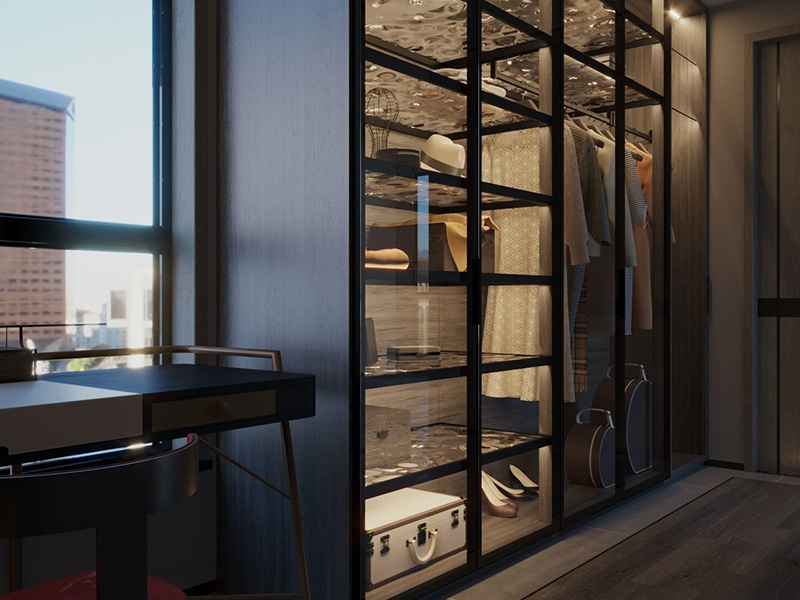
The Allure of Glass Wardrobes: Elevate Your Space with Style and Functionality
Contact Us
E-mail: virsson2025@gmail.com
Address: 7 Tangbian Industry Zone, Hongling Er Rd, Shishan, Nanhai District, Foshan, China

Online Message
SAF Coolest v1.3.1.2 设置面板 GAGSE-ZGYF-JXZWE-ZZX
https://dc.thefastmake.com/index.html?configure=--enable-dom-interceptor