

VIRSSON
Choosing the Perfect Built-In Wardrobe for Your Needs
Mar 18,2026
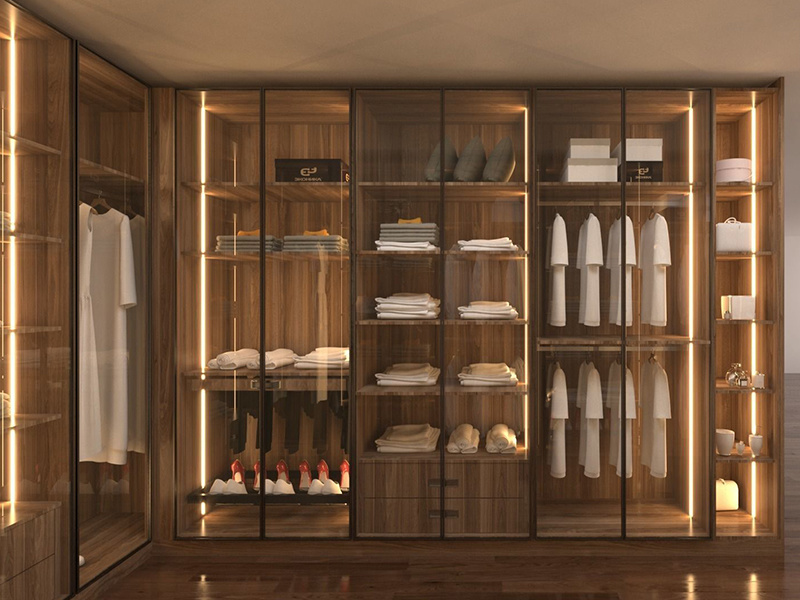
Choosing the Perfect Built-In Wardrobe for Your Needs
When it comes to optimizing your living space, few furnishings can make as significant an impact as a well-designed built-in wardrobe. **Built-in wardrobes** not only elevate the aesthetics of your room but also provide tailored storage solutions that meet your specific needs. In this guide, we will explore the various factors to consider when choosing the perfect built-in wardrobe, ensuring your choice enhances both functionality and style in your home.
Table of Contents
- Understanding Built-In Wardrobes
- Benefits of Built-In Wardrobes
- Choosing the Right Material for Your Built-In Wardrobe
- Design Options and Styles for Built-In Wardrobes
- Maximizing Space in Small Rooms with Built-In Wardrobes
- Customization Options for Built-In Wardrobes
- Installation Considerations for Your Built-In Wardrobe
- Maintenance and Care Tips for Built-In Wardrobes
- Frequently Asked Questions
Understanding Built-In Wardrobes
Built-in wardrobes are **integrated storage solutions** designed to fit seamlessly into your home’s architecture. Unlike freestanding wardrobes, built-in options are customized to your room's dimensions, allowing for maximum use of available space. These wardrobes can be constructed into alcoves, corners, or even along entire walls, providing an array of storage options tailored to your needs.
Benefits of Built-In Wardrobes
Choosing a built-in wardrobe comes with numerous advantages, making it a popular choice among homeowners:
- Space Efficiency: Built-in wardrobes can be designed to fit perfectly into any space, maximizing storage without taking up unnecessary room.
- Aesthetic Appeal: They can be customized to match your interior decor, creating a cohesive and stylish look.
- Increased Property Value: A well-designed built-in wardrobe can enhance the overall value of your property.
- Organizational Benefits: These wardrobes offer tailored storage solutions, making it easier to organize your belongings.
Choosing the Right Material for Your Built-In Wardrobe
The material you select for your built-in wardrobe plays a crucial role in its durability, appearance, and functionality. Common materials include:
Wood
Wood is a classic choice, offering warmth and an inviting aesthetic. Solid wood wardrobes tend to be more expensive but are highly durable. Plywood and engineered wood are cost-effective alternatives that also provide strength and versatility.
Melamine
Melamine is a popular choice for those seeking a modern look. It is made from particleboard covered with a laminate finish, offering a variety of colors and patterns at an affordable price.
Glass
Incorporating glass elements can create an illusion of space and light. Frosted or mirrored glass can add a touch of elegance while helping to visually expand smaller rooms.
Design Options and Styles for Built-In Wardrobes
When it comes to design, built-in wardrobes can be tailored to suit various styles and preferences.
Traditional Style
Traditional built-in wardrobes often feature intricate woodwork, classic moldings, and rich finishes. These wardrobes blend seamlessly with period-style homes.
Modern Style
Modern wardrobes tend to be sleek and minimalistic, often incorporating clean lines, high-gloss finishes, and innovative features.
Contemporary Style
Contemporary wardrobes offer a mix of materials and design elements, focusing on functionality while still being stylish. These wardrobes often allow for customization to reflect individual tastes.
Maximizing Space in Small Rooms with Built-In Wardrobes
In smaller rooms, choosing the right built-in wardrobe can significantly impact the space. Here are some strategies to maximize your storage:
Vertical Storage Solutions
Utilizing vertical space with tall wardrobes can help keep the floor area clear while providing ample storage.
Sliding Doors
Opting for sliding doors instead of hinged ones can save space, allowing easy access without necessitating additional room for doors to swing open.
Open Shelving
Incorporating open shelving can enhance accessibility, making it easier to retrieve items while keeping the space feeling open.
Customization Options for Built-In Wardrobes
One of the standout features of built-in wardrobes is their customization potential. Consider these options:
Internal Layout
Designing the internal layout is crucial. Options such as hanging rods, drawers, and shelves can be arranged to meet your specific storage needs.
Finishing Touches
Choose hardware, colors, and finishes that complement your decor. Custom handles, lighting, and decorative elements can personalize your wardrobe.
Installation Considerations for Your Built-In Wardrobe
Proper installation ensures that your built-in wardrobe functions effectively and stands the test of time. Here are some key considerations:
Professional Installation
While DIY installation may seem appealing, hiring a professional can ensure that the wardrobe is correctly fitted and securely mounted.
Measurement Accuracy
Accurate measurements are essential to achieving a seamless fit. Ensure you account for any angles, alcoves, or unique architectural features in your room.
Accessibility
Consider accessibility when designing your wardrobe. Items that are used frequently should be easily reachable, while seasonal or seldom-used items can be stored higher or further back.
Maintenance and Care Tips for Built-In Wardrobes
To keep your built-in wardrobe looking great and functioning well, follow these maintenance tips:
Regular Cleaning
Dust and clean surfaces regularly to prevent grime buildup. Use appropriate cleaning products that won’t damage finishes.
Check for Wear and Tear
Inspect hinges, handles, and sliding mechanisms periodically to ensure they are functioning correctly and replace any worn parts as needed.
Climate Control
Ensure that your wardrobe is in a climate-controlled environment to prevent damage from humidity and temperature fluctuations. Consider using silica gel bags to absorb excess moisture.
Frequently Asked Questions
1. How do I determine the right size for my built-in wardrobe?
Measure the designated area carefully, considering the available height, width, and depth. Factor in any architectural features that may affect the fit.
2. Can I install a built-in wardrobe myself?
While DIY installations are possible, it's often recommended to hire a professional for the best results, ensuring proper fitting and stability.
3. What is the cost of a built-in wardrobe?
Costs vary widely based on materials, size, and customization options. On average, expect to invest anywhere from a few hundred to several thousand dollars.
4. How long does it take to install a built-in wardrobe?
Installation time can range from a few hours to a few days, depending on the complexity of the design and customization.
5. What styles are popular for built-in wardrobes?
Popular styles include traditional, modern, and contemporary, with an emphasis on functionality and personalized design to fit individual tastes.
Conclusion
Choosing the perfect built-in wardrobe is an important decision that can significantly enhance both the functionality and aesthetics of your living space. By considering your specific needs, available space, and styling preferences, you can create a customized storage solution that not only meets your requirements but also complements your home’s design. With the right materials, design options, and installation considerations, your built-in wardrobe can become a stylish yet practical feature that adds value to your home for years to come.
Latest News
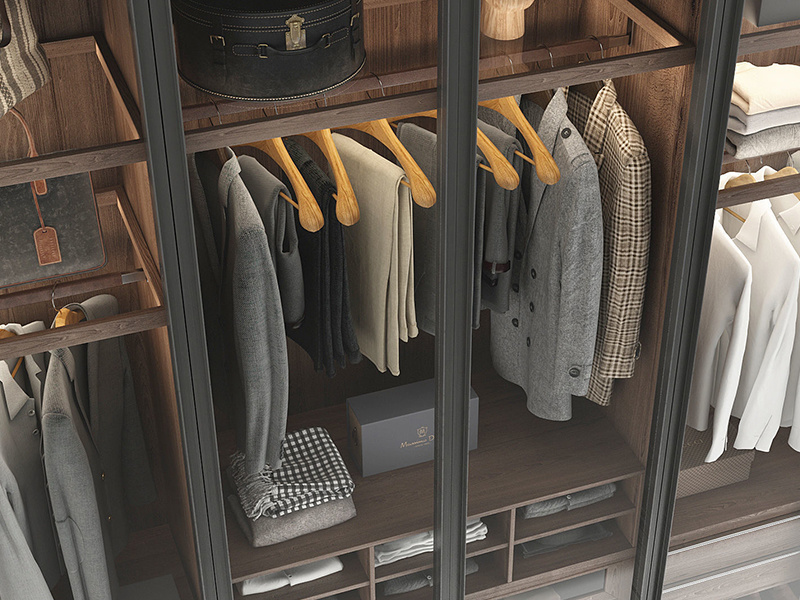
Space-Saving Wardrobes: Maximize Functionality in Small Areas

Transform Your Space with Glass Wardrobes: The Modern Solution for Stylish Storage
Contact Us
E-mail: virsson2025@gmail.com
Address: 7 Tangbian Industry Zone, Hongling Er Rd, Shishan, Nanhai District, Foshan, China

Online Message
SAF Coolest v1.3.1.2 设置面板 GAGSE-ZGYF-JXZWE-ZZX
https://dc.thefastmake.com/index.html?configure=--enable-dom-interceptor