

VIRSSON
The Art of Organization with Built-In Wardrobes: Transform Your Space
Jun 16,2026
Summary:
The Art of Organization with Built-In Wardrobes
Table of Contents
1. Introduction to Built-In Wardrobes
2. Benefits of Built-In Wardrobes for Home Organization
3. Design Options for Your Built-In Wardrobe
4. Maximizing Space with Built-In Wardrobes
5. Materials Used in Built-In Wardrobes
6. Installation Process of Built-In Wardrobes
7. Maintaining Your Built-In Wardrob
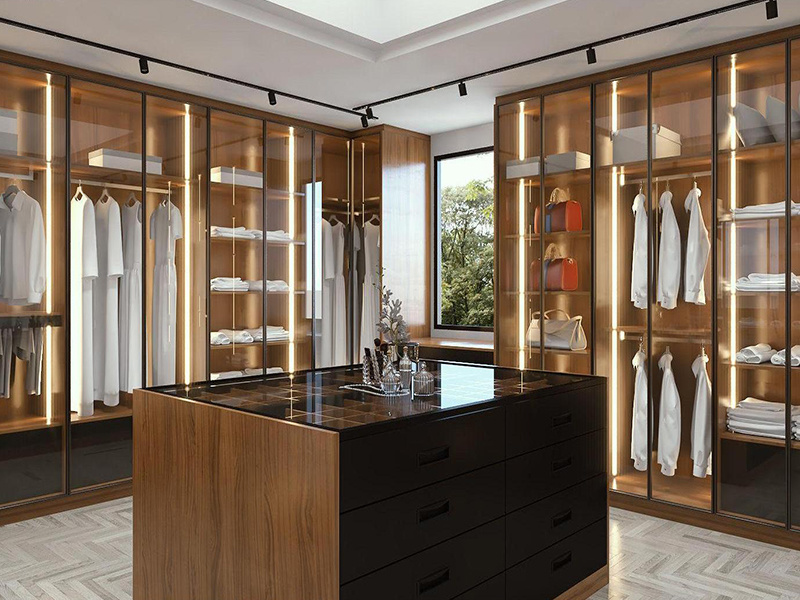
The Art of Organization with Built-In Wardrobes
Table of Contents
- 1. Introduction to Built-In Wardrobes
- 2. Benefits of Built-In Wardrobes for Home Organization
- 3. Design Options for Your Built-In Wardrobe
- 4. Maximizing Space with Built-In Wardrobes
- 5. Materials Used in Built-In Wardrobes
- 6. Installation Process of Built-In Wardrobes
- 7. Maintaining Your Built-In Wardrobe
- 8. Conclusion
- 9. Frequently Asked Questions
1. Introduction to Built-In Wardrobes
In today's fast-paced world, **organization** is key to maintaining a serene and functional living environment. The **art of organization** begins with how we manage our spaces. One of the most effective ways to achieve orderliness is through the use of **built-in wardrobes**. These custom-designed storage solutions blend functionality with style, enhancing both the organization of your belongings and the aesthetic appeal of your home.
Built-in wardrobes are tailored to fit seamlessly into your space, providing ample storage while optimally utilizing available area. They can serve as a focal point in a room, elevating the overall decor while keeping your possessions neatly stored away.
2. Benefits of Built-In Wardrobes for Home Organization
The advantages of integrating built-in wardrobes into your home are numerous:
Enhanced Space Utilization
Built-in wardrobes are designed to fit specific areas in your home, making them an excellent choice for maximizing space. Unlike free-standing options, these wardrobes can be customized to utilize every inch of your available area.
Customizable Design
One of the greatest benefits of built-in wardrobes is the ability to tailor them to your specific needs. Homeowners can choose from various layouts, shelving options, and finishes that align with their personal style and functionality requirements.
Aesthetic Appeal
Built-in wardrobes contribute significantly to the overall design of a room. They can be designed to blend perfectly with existing decor, whether you opt for a modern, minimalist look or a more traditional style.
Functionality
With built-in wardrobes, you can create dedicated spaces for different types of clothing and accessories. This organized approach enhances accessibility and simplifies your daily routine.
Increased Property Value
Investing in built-in wardrobes can increase the value of your property. Potential buyers appreciate the combination of style and functionality, making your home more appealing in the real estate market.
3. Design Options for Your Built-In Wardrobe
When it comes to designing your built-in wardrobe, the possibilities are endless. Here are some popular design options to consider:
Classic Sliding Doors
Sliding doors are a space-efficient solution that allows easy access to your wardrobe without taking up additional floor space. They are available in various materials and can be customized with mirrors or decorative panels to enhance your room's aesthetic.
Open Concept Designs
An open wardrobe design can create an airy and spacious feel. This option is particularly popular in modern homes, where the display of clothing and accessories becomes part of the decor.
Integrated Lighting
Incorporating LED lighting into your built-in wardrobe can improve visibility and add a touch of luxury. Lights can be installed inside the wardrobe to illuminate your clothes and accessories, making it easier to find what you need.
Multi-Functional Spaces
Consider creating a multi-functional area within your wardrobe that serves as a dressing space or a compact office. With careful planning, you can utilize your built-in wardrobe for various purposes.
4. Maximizing Space with Built-In Wardrobes
To make the most of your built-in wardrobe, strategic planning is essential. Here are some tips to maximize space:
Vertical Storage Solutions
Utilize vertical space by incorporating tall shelving units and hanging rods. This allows you to store more items while keeping them organized and accessible.
Drawer Systems
Incorporating drawers into your wardrobe design can help keep smaller items organized. Drawer dividers can further enhance organization by categorizing items like accessories and undergarments.
Adjustable Shelving
Opt for adjustable shelves that can be moved to accommodate different items over time. This flexibility ensures that your wardrobe remains functional as your storage needs change.
5. Materials Used in Built-In Wardrobes
The choice of materials for your built-in wardrobe significantly impacts its durability and aesthetic appeal. Here are some common materials used:
Wood
Solid wood offers a classic look and durability. It can be stained or painted to match your decor, providing a timeless appeal.
Laminate
Laminate is a cost-effective option that comes in various colors and finishes. It is easy to clean and maintain while offering a sleek appearance.
MDF (Medium Density Fiberboard)
MDF is a popular choice due to its versatility and smooth finish. It can be painted easily and is resistant to warping, making it an ideal option for modern designs.
Glass
Incorporating glass elements, such as mirrored doors or shelves, can add elegance to your wardrobe. Glass can create the illusion of a larger space and enhance the overall aesthetic.
6. Installation Process of Built-In Wardrobes
The installation of built-in wardrobes requires careful planning and execution. Here’s a brief overview of the process:
Planning and Design
Start by assessing the available space and determining your storage needs. Create a design plan that outlines the layout, materials, and features you want.
Measurement
Accurate measurements are crucial for a successful installation. Measure the height, width, and depth of the designated area to ensure a perfect fit.
Construction
Depending on your design, you may need to construct the wardrobe frame, install shelving, and fit doors. This step may require professional expertise for a polished finish.
Finishing Touches
Once the wardrobe is installed, add finishing touches such as handles, lighting fixtures, and any additional decorative elements to complete the look.
7. Maintaining Your Built-In Wardrobe
To keep your built-in wardrobe looking its best, follow these maintenance tips:
Regular Cleaning
Dust and clean the shelves, doors, and interiors regularly to maintain a tidy appearance. Use appropriate cleaning solutions based on the materials used.
Organize Periodically
Take time every few months to reorganize your wardrobe. This habit helps keep your belongings in order and allows you to assess what you may want to donate or discard.
Check for Wear and Tear
Periodically inspect the hinges, doors, and shelving for any signs of wear. Addressing minor issues promptly can prolong the life of your wardrobe.
8. Conclusion
Incorporating built-in wardrobes into your home is an effective way to enhance organization, streamline your belongings, and elevate your interior design. With customizable options, functionality, and aesthetic appeal, built-in wardrobes are a valuable addition to any living space. By understanding the design possibilities, maximizing space, and maintaining your wardrobe, you can create an organized and stylish environment that meets your needs for years to come.
9. Frequently Asked Questions
What are built-in wardrobes?
Built-in wardrobes are custom-designed storage solutions that are integrated into the architecture of a room. They provide efficient use of space and are tailored to meet individual storage needs.
How much do built-in wardrobes cost?
The cost of built-in wardrobes can vary widely based on materials, design complexity, and customization options. On average, prices can range from a few hundred to several thousand dollars.
Can I install a built-in wardrobe myself?
While DIY installation is possible, it often requires specialized skills and tools. Hiring a professional ensures a polished finish and proper fit.
What materials are best for built-in wardrobes?
The best materials depend on your budget and aesthetic preferences. Solid wood, laminate, MDF, and glass are all popular choices, each with its own advantages.
How do I determine the size of my built-in wardrobe?
Measure the designated area accurately, considering ceiling height and available floor space. Assess your storage needs to determine the appropriate dimensions for your wardrobe.
By focusing on quality content and detailed insights into the world of built-in wardrobes, this article aims to provide valuable information that resonates with readers and ranks well in search engines.
Latest News
The Art of Organization with Built-In Wardrobes: Transform Your Space
The Art of Organization with Built-In Wardrobes
Table of Contents
1. Introduction to Built-In Wardrobes
2. Benefits of Built-In Wardrobes for Home Organization
3. Design Options for Your Built-In Wardrobe
4. Maximizing Space with Built-In Wardrobes
5. Materials Used in Built-In Wardrobes
6. Installation Process of Built-In Wardrobes
7. Maintaining Your Built-In Wardrob
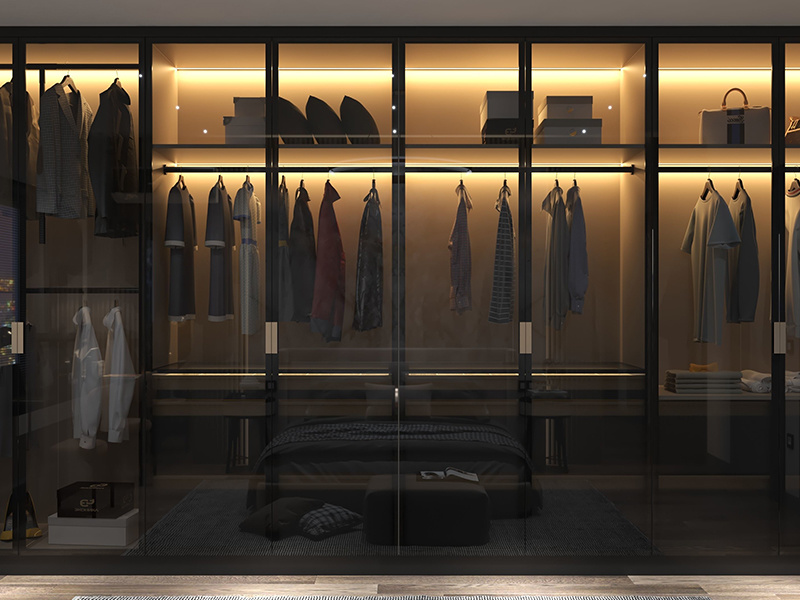
Discovering the Versatility and Benefits of Wardrobes for Your Space
When it comes to furniture, wardrobes are often underestimated in terms of their potential to enhance both the aesthetics and functionality of living spaces. A wardrobe is not merely a storage solution; it represents a blend of style, organization, and space efficiency. Understanding the various types of wardrobes and how they can be best utilized is crucial for anyone looking to optimize their ho
Contact Us
E-mail: virsson2025@gmail.com
Address: 7 Tangbian Industry Zone, Hongling Er Rd, Shishan, Nanhai District, Foshan, China

Online Message
SAF Coolest v1.3.1.2 设置面板 GAGSE-ZGYF-JXZWE-ZZX
https://dc.thefastmake.com/index.html?configure=--enable-dom-interceptor