

VIRSSON
Built-In Wardrobes: The Ultimate Space-Saving Solution for Small Areas
Oct 14,2026
Summary:
Built-In Wardrobes: Perfect for Small Spaces
Table of Contents
Introduction to Built-In Wardrobes
Benefits of Built-In Wardrobes for Small Spaces
Design Options for Built-In Wardrobes
Choosing the Right Materials for Your Wardrobe
Installation of Built-In Wardrobes
Maximizing Space: Organization Tips
Maintaining Your Built-In Wardrobe
Conclusion
Frequently Asked Questions
Intro
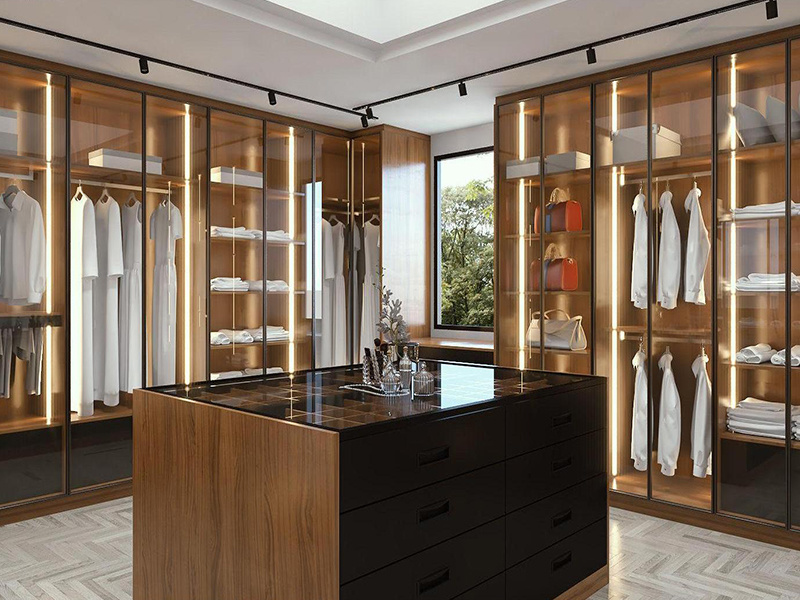
Built-In Wardrobes: Perfect for Small Spaces
Table of Contents
- Introduction to Built-In Wardrobes
- Benefits of Built-In Wardrobes for Small Spaces
- Design Options for Built-In Wardrobes
- Choosing the Right Materials for Your Wardrobe
- Installation of Built-In Wardrobes
- Maximizing Space: Organization Tips
- Maintaining Your Built-In Wardrobe
- Conclusion
- Frequently Asked Questions
Introduction to Built-In Wardrobes
Small living spaces often come with the challenge of limited storage options. **Built-in wardrobes** offer a tailored solution, maximizing available space while adding a touch of elegance to your home. These fixtures can be seamlessly integrated into any room, providing a stylish and efficient storage solution that meets your unique needs.
In this guide, we will delve into the various aspects of built-in wardrobes, focusing specifically on how they can be a game-changer for small spaces.
Benefits of Built-In Wardrobes for Small Spaces
Built-in wardrobes come with a myriad of benefits that make them ideal for compact living environments.
1. Space Optimization
The primary advantage of built-in wardrobes is their ability to **maximize space**. Unlike freestanding furniture, a built-in wardrobe can be designed to fit snugly into corners or awkward nooks, utilizing every inch of available area. This customized approach allows for more floor space, making your room feel larger.
2. Customizable Designs
Each built-in wardrobe can be tailored to fit your specific storage needs. From adjustable shelves to integrated drawers, the possibilities are endless. This level of customization ensures that everything from clothing to accessories has a designated place, minimizing clutter.
3. Enhanced Aesthetics
Built-in wardrobes can significantly enhance the overall aesthetic of a room. By choosing finishes and styles that complement the existing decor, these wardrobes blend seamlessly with the rest of your interior design. This creates a cohesive look that exudes sophistication.
4. Increased Property Value
Investing in built-in wardrobes can also increase the value of your property. Potential buyers often appreciate the additional storage solutions, making your home more appealing in the competitive real estate market.
5. Better Organization
Built-in wardrobes often include features like specialized hangers and built-in lighting, facilitating better organization. This level of detail allows you to see everything at a glance, which is particularly beneficial in small spaces where finding items can be a challenge.
Design Options for Built-In Wardrobes
When it comes to designing a built-in wardrobe for a small space, several options can be considered to enhance functionality while maintaining style.
1. Sliding Doors
Sliding doors are a popular choice for built-in wardrobes, especially in small areas where space is at a premium. They eliminate the need for swing space, allowing for easy access to your items without blocking pathways.
2. Open Shelving
Incorporating open shelves in your wardrobe design can create a modern look while providing easy access to frequently used items. This style encourages organization and can be styled to display decorative items or accessories.
3. Mirrored Finishes
Adding mirrored panels to your built-in wardrobe not only creates a stylish effect but also helps to visually expand the room. Mirrors reflect light and give the illusion of more space, making them an excellent addition to compact areas.
4. Integrated Lighting
Proper lighting is essential in small spaces. Including LED strip lights or spotlights within the wardrobe can illuminate your clothing and accessories, making it easier to find what you need while adding a luxurious feel.
Choosing the Right Materials for Your Wardrobe
Selecting the right materials is crucial for both durability and aesthetics.
1. Wood
Natural wood offers warmth and sophistication, ideal for creating a timeless look. Oak, walnut, and maple are popular choices, providing both sturdiness and elegance.
2. Laminate
For a budget-friendly option, laminate materials are available in various colors and finishes. They are easy to maintain and can mimic the look of wood or other materials.
3. Metal
Metal accents or frames can add an industrial touch to your built-in wardrobe. Steel or aluminum options are highly durable and pair well with modern decor styles.
4. Glass
Using glass for sliding doors or shelving can create an airy feel. Frosted or tinted glass can be utilized to enhance privacy while maintaining a stylish appearance.
Installation of Built-In Wardrobes
Installing built-in wardrobes is a process that requires careful planning and execution.
1. Measuring the Space
Start by accurately measuring the area where the wardrobe will be installed. Consider ceiling height, wall space, and any architectural features that might affect the installation.
2. Planning the Design
Create a detailed plan that includes the wardrobe’s layout, materials, and any additional features such as lighting or shelving. Consult with a professional designer if needed to ensure your ideas are feasible.
3. DIY vs. Professional Installation
While some may opt for a DIY installation, hiring professionals can ensure the job is done correctly. They have the experience and tools necessary to tackle any challenges that may arise during installation.
4. Finishing Touches
Once installed, add any finishing touches, such as handles or knobs, to complete the look. Ensure that everything is securely attached and that the wardrobe operates smoothly.
Maximizing Space: Organization Tips
To make the most of your built-in wardrobe, consider these organization tips:
1. Use Vertical Space
Take advantage of vertical space by incorporating higher shelves for less frequently used items. Use sturdy bins or baskets to store seasonal clothing, making it easy to grab when needed.
2. Organize by Category
Keep similar items together—group clothing by type (e.g., shirts, pants, dresses) or by season. This will streamline your morning routine and make getting dressed much simpler.
3. Invest in Quality Hangers
Using matching hangers can create a uniform look within your wardrobe while preventing clothing from slipping. Velvet or wooden hangers are great for maintaining the shape of your garments.
4. Utilize Drawer Dividers
Drawer dividers can help keep smaller items organized. Consider using these for accessories, undergarments, or even shoes to keep everything in its designated spot.
Maintaining Your Built-In Wardrobe
To keep your built-in wardrobe looking its best, regular maintenance is essential.
1. Regular Cleaning
Dust and clean the surfaces of your wardrobe regularly to prevent buildup. Use a soft cloth and appropriate cleaners for the materials you’ve chosen.
2. Check for Wear and Tear
Periodically inspect hinges, sliding mechanisms, and shelves for any signs of wear. Addressing issues early can prevent larger problems down the line.
3. Reassess Your Organization
As your storage needs change, reassess how you organize your wardrobe. Regularly declutter and donate items you no longer use to maintain an efficient system.
Conclusion
Incorporating built-in wardrobes into small spaces provides an elegant and practical solution for maximizing storage. With their ability to blend seamlessly into any decor, customizable designs, and numerous benefits, these wardrobes are perfect for anyone looking to enhance their living area. By considering design options, materials, and organization tips, you can create a functional and aesthetically pleasing wardrobe that meets your unique needs.
Frequently Asked Questions
1. What is the average cost of a built-in wardrobe?
The cost of a built-in wardrobe can vary significantly based on materials, design complexity, and installation. On average, you can expect to spend anywhere from $1,000 to $5,000.
2. How long does it take to install a built-in wardrobe?
Installation times can differ depending on the design and size, but most built-in wardrobes can be installed within a day or two by professionals.
3. Can built-in wardrobes be moved once installed?
Built-in wardrobes are designed to be permanent fixtures. While they can be dismantled, moving them is often more complicated than simply relocating freestanding furniture.
4. Are built-in wardrobes better than freestanding options?
Built-in wardrobes generally offer better space optimization and a more cohesive look. However, freestanding options are more versatile and can be easily moved.
5. How do I choose the right design for my built-in wardrobe?
Consider your specific storage needs, available space, and existing decor. Consulting with a designer can also help in creating the perfect wardrobe tailored to your requirements.
Latest News

Eco-Friendly Wardrobes: Sustainable Options for the Conscious Consumer
Eco-Friendly Wardrobes: Sustainable Options for the Conscious Consumer
Table of Contents
Introduction to Eco-Friendly Wardrobes
The Importance of Sustainable Furniture
Sustainable Materials for Wardrobes
Designing Eco-Friendly Wardrobes
Top Eco-Friendly Wardrobe Brands to Consider
Choosing the Right Wardrobe for Your Home
Maintaining Your Eco-Friendly Wardrobe
Freq

The Allure of Glass Wardrobes: Elevate Your Space with Style and Functionality
When considering home organization and décor, the choice of wardrobe can significantly influence both functionality and aesthetics. Glass wardrobes have emerged as a popular option, merging style with practicality. These wardrobes not only provide ample storage space but also add a touch of elegance to any room.
One of the primary advantages of glass wardrobes is their ability to create an illusio
Contact Us
E-mail: virsson2025@gmail.com
Address: 7 Tangbian Industry Zone, Hongling Er Rd, Shishan, Nanhai District, Foshan, China

Online Message
SAF Coolest v1.3.1.2 设置面板 GAGSE-ZGYF-JXZWE-ZZX
https://dc.thefastmake.com/index.html?configure=--enable-dom-interceptor